Sonny Rollins
Charts
Tracks
Playlists
SEO
Press Mentions
Overview
Included in high risk playlists
Monthly Listeners
Discography
Top Audiences
Top Listener Locations
 New York City, US9,337
 London, GB8,609Los Angeles, US7,532
 São Paulo, BR6,771Chicago, US6,098
Playlist Summary
Playlist Movement
No activity found
This artist's playlist additions and removals will appear here.
Biography & Metadata
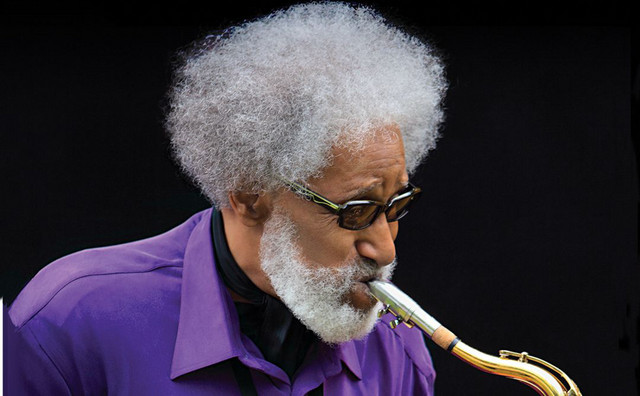
Sonny Rollins is the most enduring tenor saxophonist of the bebop and hard bop eras, but also one of the greatest jazz saxophonists of all time. His fluid and harmonically innovative ideas and easily accessible sound have influenced generations of players. Nicknamed "Newk," he served early apprenticeships with bop masters from Bud Powell and Miles Davis to Max Roach & Clifford Brown. After 1956's classic Saxophone Colossus was released, he was heralded as jazz's top tenorist. A year later, after Way Out West and A Night at the Village Vanguard (two pioneering pianoless trio dates), he entered a class of his own -- a reputation he never relinquished. Several of his own compositions, including "Oleo" and "Doxy," are jazz standards. Rollins retired twice early on: the first time, from 1959 through 1961 (when he practiced his horn on the Williamsburg Bridge), resulted in 1962's comeback album The Bridge. Between 1969 and 1971 he went on a spiritual sojourn to Jamaica and India. After returning, he had changed his style and, to a degree, his tone, as evidenced by 1978's Don't Stop the Carnival. As one of jazz's elder statesmen in the '90s and early 21st centuries, he proved an unbreakable connection between the music's historical lineage and modernity. He won Grammys for 2000's This Is What I Do and 2005's Without a Song: The 9/11 Concert, and a Lifetime Achievement Award. Rollins stopped performing in public in 2012 due to respiratory issues.
First discovered May 29, 2026, 3:05 PM