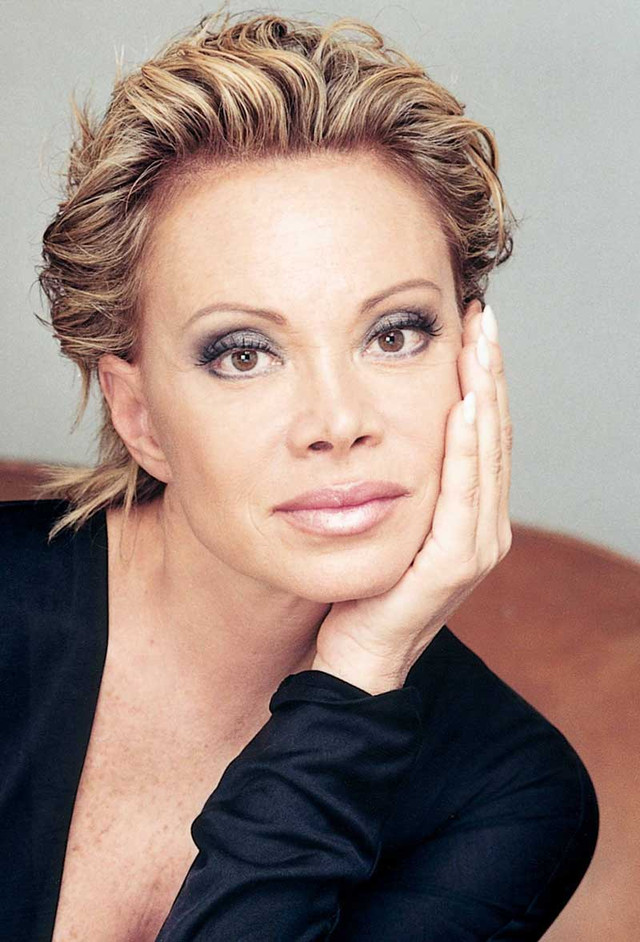
Paloma San Basilio
Charts
Tracks
Playlists
Press Mentions
Google Rankings
Overview
Not included in any known risky playlists
Monthly Listeners
Discography
Genres
Spotify has not assigned genres to this artist yet
Top Audiences
Top Listener Locations
 Santiago, CL79,136
 Mexico City, MX31,459
 Bogotá, CO28,905
 Lima, PE27,617
 Madrid, ES26,859
Playlist Summary
Playlist Movement
Event | Playlist | Botted? | Position | Track | Happened at | |
|---|---|---|---|---|---|---|
Biography & Metadata
Talented Spanish singer Paloma San Basilio studied philosophy and psychology before starting a music career. It was in 1975 when San Basilio decided to take her first step to becoming a singer, recording a demo based on Roberta Flack songs and sending it to Hispavox. Soon after, San Basilio was recording her first album, Sombras. In 1977, after releasing ¿Dónde Vas?, the artist climbed the local charts with Bebu Silvetti's "Secretos." A year later, a live album called En Directo was recorded at Madrid's Teatro Monumental, followed by a Latin American tour, which also reached some venues in the U.S. and Canada. By the end of 1980, Paloma San Basilio extended her skills to acting while starting to play the main role in the musical Evita; she was acclaimed for more than two years, touring worldwide since June of 1983. Two years later, San Basilio represented Spain at a Eurovisión Festival singing a Juan Carlos Calderón song called "La Fiesta Terminó." San Basilio continued to release albums throughout the '90s and 2000s, including 1997's Clasicamente Tuya, 2007's Invierno Sur, and 2012's Amolap, while also continuing to perform live. ~ Drago Bonacich, Rovi
First discovered Oct 1, 2026, 5:35 PM