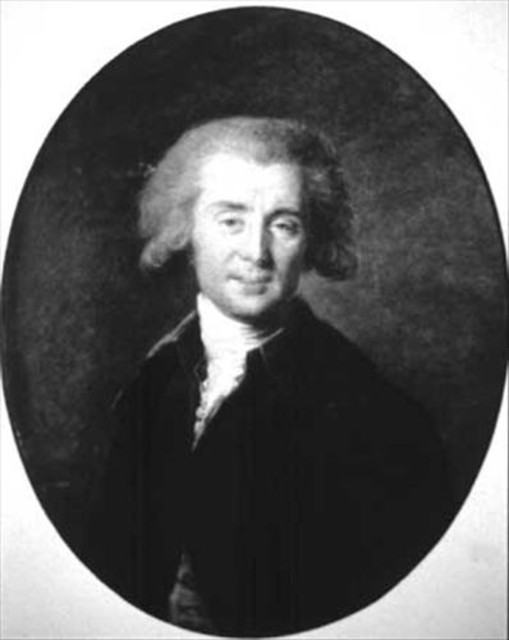
André-Ernest-Modeste Grétry
Charts
Tracks
Playlists
Press Mentions
Google Rankings
Overview
Not included in any known risky playlists
Monthly Listeners
4,017 – 4,523
Discography
Genres
Spotify has not assigned genres to this artist yet
Top Audiences
Top Listener Locations
 Oslo, NO122
 Paris, FR77
 London, GB47
 Madrid, ES43
 Berlin, DE39
Playlist Summary
Playlist Movement
Event | Playlist | Botted? | Position | Track | Happened at | |
|---|---|---|---|---|---|---|
Biography & Metadata
André Ernest Modeste Grétry was born in Liège (now in Belgium) on February 8, 1741. He learned music from his father, a violinist, and became a choirboy. After the young Grétry was brutally beaten for tardiness, he developed the habit of arriving so early for each of the three daily services that he spent long periods shivering on the church steps during winters. This may have accounted for his susceptibility to respiratory infections that eventually led to tuberculosis. In 1761 Grétry traveled to Rome, where he spent some years as a student of Casali; despite the city's burgeoning operatic scene, he produced mostly sacred music during these years (1761-1765). As a music teacher in Geneva in 1766, Grétry met Voltaire; at the writer's suggestion, he went to Paris, where he soon established himself as an operatic composer of some consequence. He met a Mlle. Grandon and apparently took a liking to her, judging from the appearance of the first of their three children prior to their marriage in 1771. Grétry's central position in French opera (especially opéra comique) was undisputed during his lifetime, though the ascendancy of younger rivals such as Cherubini and Méhul eventually stole some of his thunder. Despite bouts of ill health, he maintained a more or less regular composition schedule of two new operas a year. He was decorated and received a pension from the King which, of course, was cancelled by the Revolution; finding favor with the new regime, however, he received a doubled pension by order of Napoleon, who also accorded him the Legion of Honor. Grétry eventually purchased Rousseau's "Ermitage" near Montmorency and eased into retirement there as his musical style became outdated. He died at the estate in 1813. Though never repertoire mainstays after the composer's lifetime, Gretry's operas enjoyed renewed interest as opera companies and audiences began to rediscover such unjustly overlooked composers of the Classical era. Richard Coeur-de-lion (1784) remains a seminal masterpiece of the opéra comique style; Zemire et Azor (1771), based on the story of Beauty and the Beast, received well-regarded productions in the 1980s and 1990s. Grétry's operas, despite a sometimes offhanded approach to the more academic rules of composition, are notable for a distinctive declamatory style, inventive use of ensembles, and graceful charm.
First discovered Aug 25, 2026, 10:44 AM