Justo Betancourt
Charts
Tracks
Playlists
Press Mentions
Google Rankings
Overview
Included in high risk playlists
Monthly Listeners
Series
- Monthly Listeners
- Listeners from Playlists
- Change
Discography
Genres
Spotify has not assigned genres to this artist yet
Top Audiences
Top Listener Locations
 Bogotá, CO139,218
 Lima, PE54,872Medellín, CO50,815
 Mexico City, MX41,514Cali, CO38,219
Playlist Summary
Playlist Movement
Event | Playlist | Botted? | Position | Track | Happened at | |
|---|---|---|---|---|---|---|
Biography & Metadata
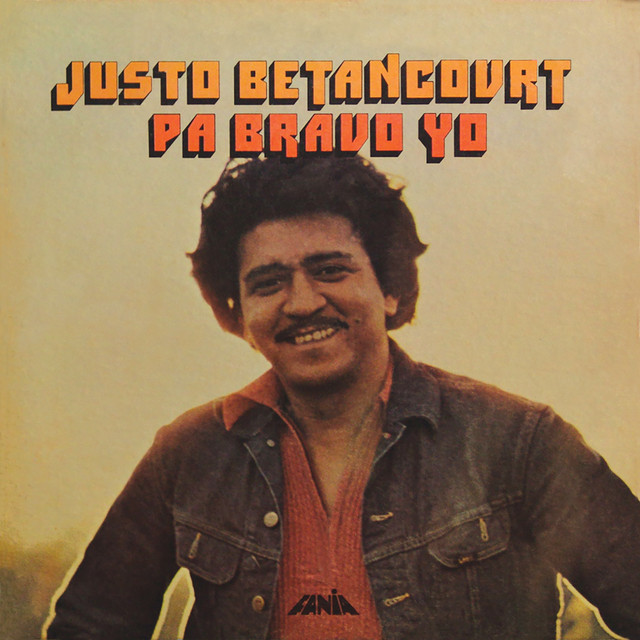
b. 6 December 1940, La Marina, Matanzas, Cuba. Inspiraciones (improvised singing) is basic to most of salsa and it is Betancourt’s lyrical spontaneity and creativity, plus his ability to sing in a variety of styles - from the slowest bolero to up-tempo scorchers - with equal expertise, that has made him a ‘singers’ singer’. When Betancourt was aged 11, he sang with a small group called Cabeza De Perros, named after the brand of beer that sponsored them. At 16 he sang with the popular group Guaguanco Matancero. In 1958 he began singing with Conjunto Club and recorded with them on the single ‘Para Gozar Cubita’ on the Fama label. In 1964 he left Cuba and spent eight months in Greece before moving to New York. He worked with band leader/timbales player Orlando Marín for two years, and appeared on his Top 10 Esta En Algo (1967) on the Fiesta label. He sang with band leader/flautist Johnny Pacheco for two weeks before becoming a vocalist with Sonora Matancera, and also worked with the bands of Eddie Palmieri, Ray Barretto, Alfonso Salines and others. In 1968, Betancourt signed to the Fania Records label. His debut was El Explosivo, but it was not until Los Dinamicos (1971), a collaboration with Pacheco, and his 1972 Pa Bravo Yo, that his popularity really started to grow. The title track of Betancourt’s 1972 album was a massive hit and has achieved classic status. In 1972 he relocated to Puerto Rico and became a big star there. He organized a band of 13 young Puerto Rican musicians that he called Borincuba - to reflect the combination of a Cuban with Puerto Ricans (Borinquen is the original Taino Indian name for the island). His only two albums as lead singer with Borincuba were Distinto Y Diferente (1977) and Presencia! (1978). A Cuban band leader doing well in Puerto Rico generated some jealousy and Betancourt’s rough, bad-tempered character started to cause problems. Borincuba’s coro (chorus) singer, Tito Rojas, became lead vocalist on Con Amor (1978), on which Betancourt conducted and sang coro. Rojas went solo and initially fronted a band called Conjunto Borincano. After a short series of his own albums, he became lead vocalist of the band Puerto Rican Power and appeared on their first two albums (1987 and 1989). In 1990 Rojas resumed his solo career with the salsa romántica album Sensual, which reached number 1 in the Farándula hit parade in April. With the exception of one track on Celia Cruz and Tito Puente’s Homenaje A Beny Moré Vol. 3 in 1985, Betancourt released no records between 1983 and 1989. He returned in style in 1990 with Regresar on his own RMQ label, which was produced, conducted and had half the arrangements written by Eric Figueroa. Betancourt has also performed and recorded with the Fania All Stars and has sessioned as a coro singer.
First discovered Aug 25, 2026, 3:36 AM