Pino Donaggio
Charts
Tracks
Playlists
SEO
Press Mentions
Overview
Not included in any known risky playlists
Monthly Listeners
Discography
Genres
Spotify has not assigned genres to this artist yet
Top Audiences
Top Listener Locations
 Rome, IT7,578Milan, IT5,040
 São Paulo, BR4,040Naples, IT2,962
 Madrid, ES2,515
Playlist Summary
Playlist Movement
No activity found
This artist's playlist additions and removals will appear here.
Biography & Metadata
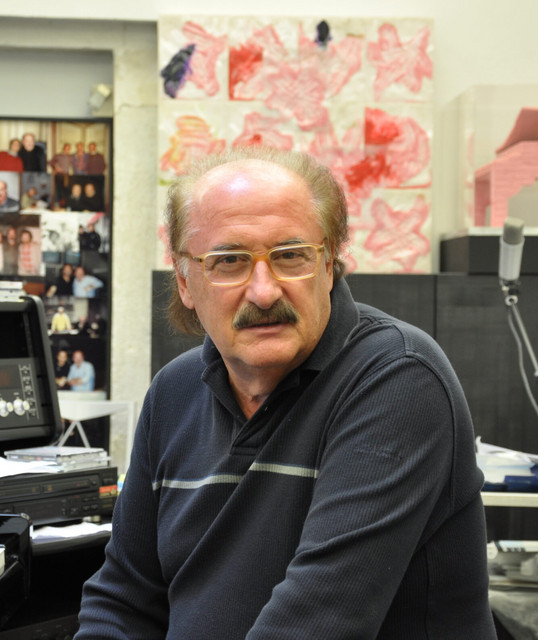
Composer Pino Donaggio teamed with filmmaker Brian DePalma to forge one of the most memorable collaborations in cinema history, writing a series of suspenseful, hauntingly atmospheric scores evoking Bernard Herrmann's landmark work for Alfred Hitchcock. Born Giuseppe Donaggio in Venice, Italy, on October 24, 1941, he was the product of a family of musicians, and began studying violin at the age of ten. In the midst of classical training at Milan's Giuseppe Verdi Conservatory, he made his professional debut at 14, interpreting the music of Vivaldi for Italian radio. After stints with the Solisti Veneti and Solisti di Milano, Donaggio discovered rock & roll in 1959, immediately renouncing classical music in favor of pop. After launching his career as a singer/songwriter he opened for Paul Anka on the U.S. teen idol's 1960 Italian tour, and rose to even greater success after a star-making appearance at the annual San Remo Festival. Donaggio's 1963 smash "Io Che Non Vivo" sold in excess of 60 million copies worldwide. Translated into English as "You Don't Have to Say You Love Me," the song also proved a blockbuster for British soul diva Dusty Springfield, and later merited an Elvis Presley cover as well. Donaggio first entered the world of cinema with Nicolas Roeg's cult-classic 1973 thriller Don't Look Now, a score that won wide acclaim for its uncommon grasp of atmosphere and suspense. When DePalma began work on his landmark adaptation of the Stephen King novel Carrie, he initially selected Herrmann, the longtime collaborator of DePalma's idol, Hitchcock. But when the composer died in December 1975, DePalma selected Donaggio, initiating a partnership that would extend through projects including 1980's Dressed to Kill (arguably the composer's most memorable and perfectly wrought score), 1981's Blow Out, 1984's Body Double, and 1992's Raising Cain. Donaggio nevertheless remains little known outside of film score cognoscenti, living and working in Venice instead of Hollywood and channeling most of his efforts into the Italian film industry, where he scored features for filmmakers including Roberto Benigni, Liliana Cavani, and Massimo Troisi. ~ Jason Ankeny, Rovi
First discovered Aug 29, 2026, 6:37 AM