Muggsy Spanier
Charts
Tracks
Playlists
Press Mentions
Google Rankings
Overview
Not included in any known risky playlists
Monthly Listeners
76,010 – 76,362
Discography
Top Audiences
Top Listener Locations
 London, GB999
 New York City, US837Los Angeles, US778
 Warsaw, PL664
 Paris, FR604
Playlist Summary
Playlist Movement
Event | Playlist | Botted? | Position | Track | Happened at | |
|---|---|---|---|---|---|---|
Biography & Metadata
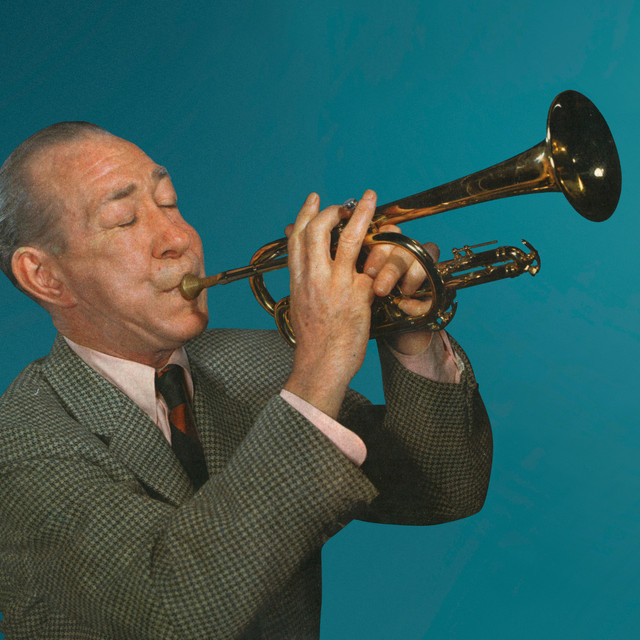
Early jazz cornetist Muggsy Spanier was a forceful player who rarely strayed far from the melody. Perfectly at home in Dixieland ensembles, he was also an emotional soloist (equally influenced by King Oliver and Louis Armstrong) and an expert at using the plunger mute. He started on cornet when he was 13, played with Elmer Schoebel's band in 1921, and first recorded in 1924. Spanier was a fixture in Chicago throughout the decade (appearing on several important early records) before joining Ted Lewis in 1929. Although Lewis was essentially a corny showman, Spanier's solos gave his band some validity during the next seven years. After a stint with Ben Pollack's orchestra (1936-1938), Spanier became seriously ill and was hospitalized for three months. After he recovered, the cornetist formed his famous eight-piece "Ragtime Band" and recorded 16 Dixieland performances for Bluebird (later dubbed The Great Sixteen) that virtually defined the music of the Dixieland revival movement. But because his group actually preceded the revival by a couple years, it soon had to break up due to lack of work. Muggsy joined Bob Crosby for a time, had his own short-lived big band, freelanced with Dixieland bands in New York, and, starting in 1950, he gradually relocated to the West Coast. From 1957 to 1959, Spanier worked with Earl Hines' band, and he continued playing up until his retirement in 1964, touring Europe in 1960 and always retaining his popularity in the Dixieland world. ~ Scott Yanow, Rovi
First discovered Oct 10, 2025, 6:50 PM