Mory Kanté
Charts
Tracks
Playlists
Press Mentions
Google Rankings
Overview
Included in high risk playlists
Monthly Listeners
Discography
Top Audiences
Top Listener Locations
 London, GB6,699
 Conakry, GN3,666
 Istanbul, TR2,800
 Dublin, IE2,275Manchester, GB2,010
Playlist Summary
Playlist Movement
Event | Playlist | Botted? | Position | Track | Happened at | |
|---|---|---|---|---|---|---|
Biography & Metadata
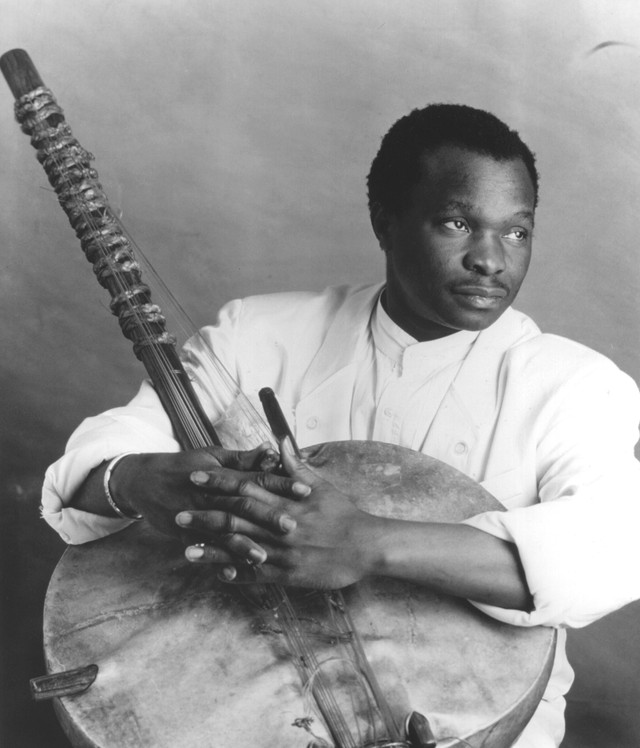
Acclaimed for both his preservation and modernization of the musical traditions of West Africa's Mandinka culture, Mory Kanté was born in Kissidougou, Guinea in 1951; the product of a family of griots (musicians who serve not merely as entertainers but also as tribal historians), at age seven he was sent to Mali to learn tribal lore as well as the kora, the West African harp. At 15, Kanté relocated to Bamako and joined the Rail Band, then Mali's most popular group; he remained with the band for seven years, until his rivalry with lead singer Salif Keita ultimately forced Kanté to quit and join Les Ambassadeurs. He left Bamako in 1977 for nearby Cote D'Ivoire, forming a 35-piece band dubbed Les Milieus Branches; at this time he began introducing elements of American soul and R&B into his sound, often working with producer (and former Stevie Wonder collaborator) Abdoulaye Soumare. With the 1981 LP Courougnegne, Kanté essentially laid much of the foundation for the cross-cultural fusions that defined Mandinka music throughout the decade, and was so successful not only in Africa but also Europe that he moved to Paris a year later. There he recorded 1984's Mory Kanté a Paris, which increased his international visibility; his biggest hit followed in 1988, when the house music-inspired single "Ye Ke Ye Ke" was a hit throughout Europe. Released in 1990, Touma pursued a similar creative direction; Nongo Village arrived three years later, followed in 1997 by Un Amour de Prix. ~ Jason Ankeny, Rovi
First discovered Aug 30, 2026, 9:12 AM