Hopeton Lewis
Charts
Tracks
Playlists
Press Mentions
Google Rankings
Overview
Included in 1 High Risk Playlist
Monthly Listeners
Series
- Monthly Listeners
- Listeners from Playlists
- Change
Discography
Genres
Spotify has not assigned genres to this artist yet
Top Audiences
Top Listener Locations
 London, GB3,165
 Los Angeles, US1,407
 São Paulo, BR1,385New York City, US1,297
 Mexico City, MX1,274
Playlist Summary
Playlist Movement
Biography & Metadata
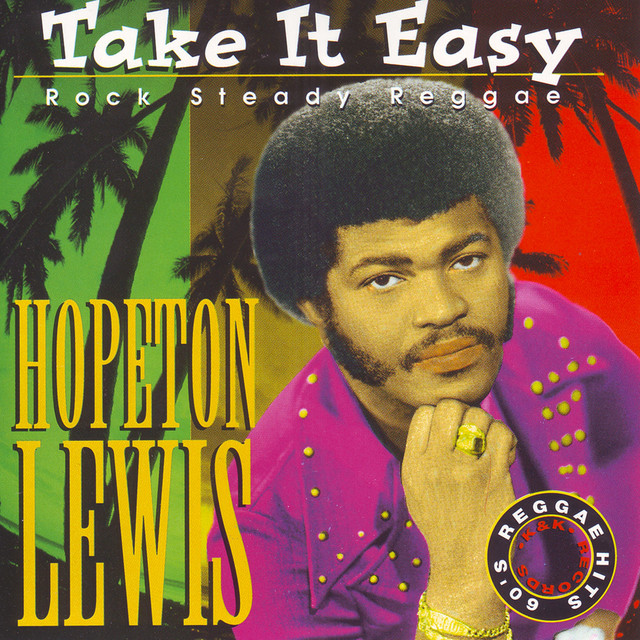
Hopeton Lewis' rich baritone has had a profound impact on Jamaican music, and his mixture of gospel and soul elements helped set the template for early rocksteady. Born October 3, 1947, in Kingston, Lewis' mother died when he was two, and he rotated living with various aunts, uncles, and grandparents. By the age of six he was already singing in church, and singing is where he turned when he was left on his own at the age of 15. Lewis quickly formed his first singing group, the Regals, and his career course was set. Like many Jamaican singers, Lewis got his start at Studio One, but soon moved over to Ken Khouri's Federal Studios, where he recorded what is arguably the first rocksteady side, "Take It Easy," backed by Lynn Taitt & the Jets. The song was released on Winston Blake's Merritone label in 1966 and was a huge success. In the late '60s he worked as part of a duo with Glen Brown. His solo career really took off when he won the 1970 Festival Song Competition with the song "Boom Shacka Lacka," which he recorded for Duke Reid's Treasure Isle label, then moved over to Byron Lee's Dynamic Sound imprint for the album Groovin' Out on Life, which firmly established Lewis as an explosive singer and performer when it was released in 1973, followed quickly by a second album, The Dynamic Hopeton Lewis. Lewis started his own label, Bay City Music, in the late '80s and turned increasingly to gospel music, releasing This Is Gospel in 1996, followed by Reaching Out to Jesus in 2000. Since then Lewis stuck with gospel and has released a prolific series of albums, including Lay Your Hands on Me Jesus, Caribbean Gospel Jubilee, Inner Peace, Hopeton Lewis Sings Country Gospel, The Many Moods of Gospel, and The Inspirational Hopeton Lewis. ~ Steve Leggett, Rovi
First discovered Sep 24, 2026, 3:11 AM