İbrahim Tatlıses
Charts
Tracks
Playlists
Press Mentions
Google Rankings
Overview
Included in high risk playlists
Monthly Listeners
Series
- Monthly Listeners
- Listeners from Playlists
- Change
Discography
Genres
Spotify has not assigned genres to this artist yet
Top Audiences
Top Listener Locations
 Istanbul, TR1,271,621Ankara, TR682,800Izmir, TR337,556Bursa, TR217,748Mersin, TR186,959
Playlist Summary
Playlist Movement
Event | Playlist | Botted? | Position | Track | Happened at | |
|---|---|---|---|---|---|---|
Biography & Metadata
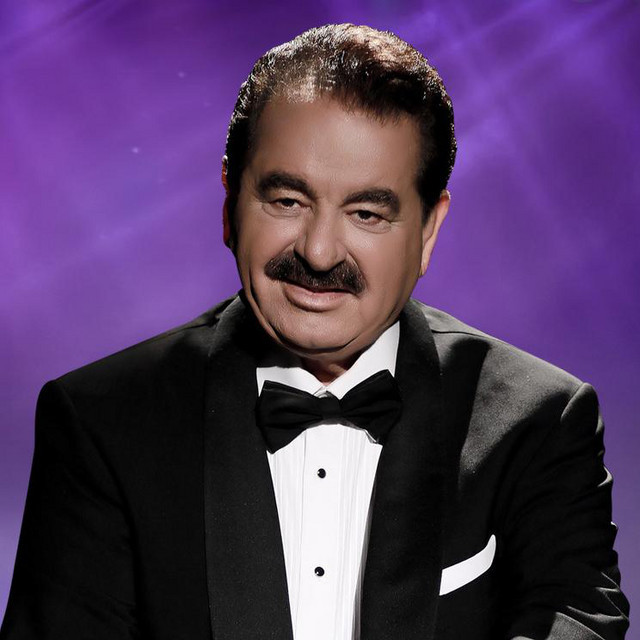
Affectionately known as "Ibo," Ibrahim Tatlises (born: Ibrahim Tatli) is one of Turkey's biggest stars. In addition to hosting his own television program, The Ibo Show, on the private ATV station and appearing in several dozen films, Tatlises has been one of Turkey's most prolific recording artists. His 23 cassettes include Ayaginda Kandura, which broke all sales records in Turkey in 1978, and Selam Oslun, which focused on traditional Turkish folk music played on indigenous instruments. Born in 1954 to a homeless family, Tatlises was raised by his mother, following his father's death in 1956. Music provided an outlet for emotional stress. Inspired by Turkish vocalist Yilmaz Guerney, he began singing at weddings and other celebrations while still in his teens. Although he released a cassette in 1975, it failed to sell, and Tatlises temporarily left music. Moving to Istanbul with his family in 1977, Tatlises worked as a salesman until recording his second cassette, Ayaginda Kandura. The cassette's success proved to be the launching pad for Tatlises' still-thriving career. A major star during the mid- to late '80s, he recorded numerous dance hits with the accompaniment of an orchestra and was recognized as a master of the rural uzun havea style (marked by lengthy, semi-improvised tunes). Tatlises has been embraced by the Turkish communities in Germany who call him "the voice of the homeland." ~ Craig Harris
First discovered Aug 12, 2026, 5:16 PM