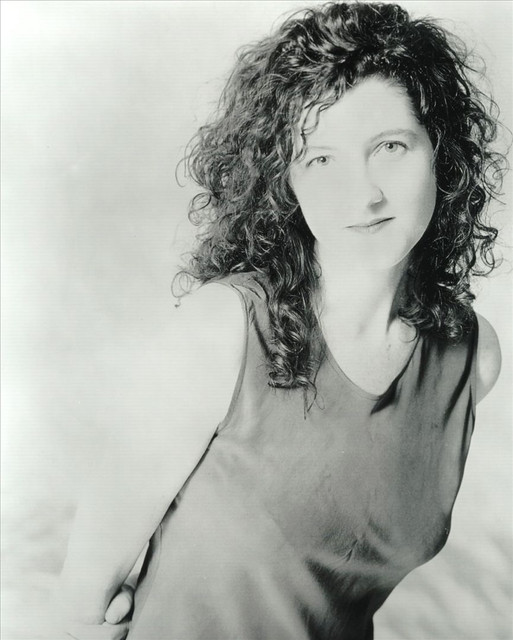
Jocelyn Pook
Charts
Tracks
Playlists
Press Mentions
Google Rankings
Overview
Not included in any known risky playlists
Monthly Listeners
Discography
Genres
Spotify has not assigned genres to this artist yet
Top Audiences
Top Listener Locations
 Mexico City, MX2,835
 Madrid, ES2,476
 London, GB2,321
 Istanbul, TR2,071Barcelona, ES1,832
Playlist Summary
Playlist Movement
Event | Playlist | Botted? | Position | Track | Happened at | |
|---|---|---|---|---|---|---|
Biography & Metadata
Contemporary classical composer and violinist Jocelyn Pook followed her studies at the Guildhall School of Music and Drama by touring for three years with the Communards; she further broadened her musical horizons with contributions to Derek Jarman's 1986 film masterpiece Caravaggio, and two years later wrote the score to the DV8 Physical Theatre production My Body, Your Body. Pook continued this balancing act into the next decade, writing for cinema and television productions including Jarman's Edward II, the BBC series Mad About Music and John Smith's short film Blight while concurrently working with pop acts ranging from Peter Gabriel to PJ Harvey to Nick Cave via her Electra Strings project. In 1994, the Canadian dance company O Vertigo commissioned Pook to score their production Deluge; the music was released on album three years later under the title Flood. She also was chosen by legendary filmmaker Stanley Kubrick to score what became his final picture, 1999's Eyes Wide Shut. Another solo effort, Untold Things, followed in early 2001. ~ Jason Ankeny, Rovi
First discovered Aug 14, 2026, 8:35 AM