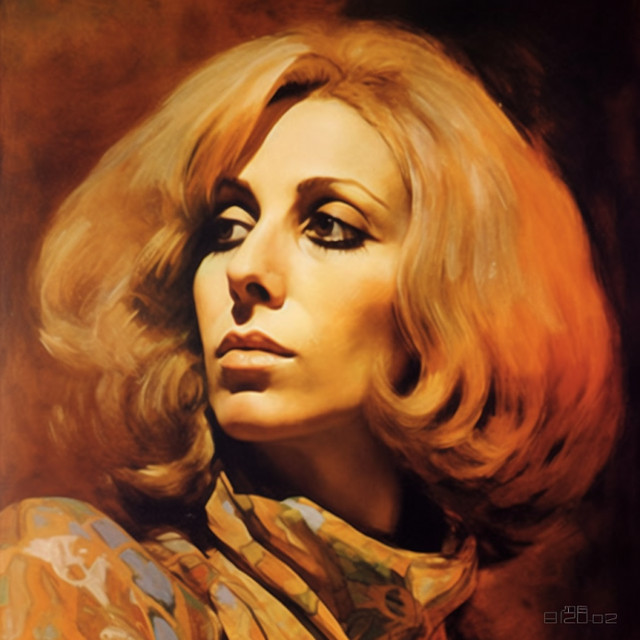
Fairuz
Charts
Tracks
Playlists
SEO
Press Mentions
Overview
Included in high risk playlists
Monthly Listeners
Discography
Genres
Spotify has not assigned genres to this artist yet
Top Audiences
Top Listener Locations
 Cairo, EG300,513
 Istanbul, TR132,692Giza, EG71,353Ankara, TR51,331
 Jeddah, SA50,534
Playlist Summary
Playlist Movement
No activity found
This artist's playlist additions and removals will appear here.
Biography & Metadata
Fairuz was born in 1935, the eldest child of Wadih Haddad and Liza Bustani. Her father was a print-shop technician who moved his family to Beirut from the village of Dbayeh in the Chouf region with the goal of making a better living. The young Fairuz showed her singing talent as a young child and often sang for her family and neighbors. In high school, at age 14, she was discovered by Mohammed Fleifel, who scouted schools for singers to perform on a then-new national radio station. Struck by her talent, he became her first agent and manager; he assisted her in gaining entry to the National Conservatory of Music, where she studied for five years. There and in public Fairuz sang for the Palestinian cause without politicizing it. She also paid respect to various Arab capitals without personalizing them. Of course, her home nation of Lebanon was among them, and her singing garnered her more political and diplomatic bona fides than most professionals. As her agent and manager, Fleifel believed in a singer's training method prevalent in Egypt at the time, the chanting of Koranic verses, which birthed the careers of Umm Kulthum and Mohammed Abdul Wahab. This skill, which Fairuz employed to great benefit in her intonation and command of the classical language, became clear in her singing of maquam, a classical Arabic poetic form and a secular musical genre. It probably helped her sharpen the Eastern style in her singing in the proper melodic Arabic modes.
First discovered Feb 21, 2025, 11:04 PM