Nei Lopes
Charts
Tracks
Playlists
SEO
Press Mentions
Overview
Not included in any known risky playlists
Monthly Listeners
Discography
Top Audiences
Top Listener Locations
 São Paulo, BR9,827Rio de Janeiro, BR5,448Belo Horizonte, BR1,578Brasília, BR1,172Campinas, BR1,161
Playlist Summary
Playlist Movement
No activity found
This artist's playlist additions and removals will appear here.
Biography & Metadata
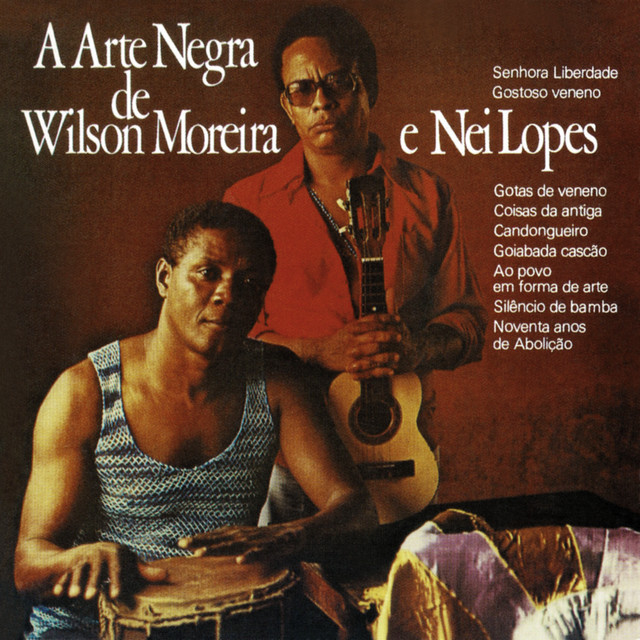
A professional composer since 1972, Nei Lopes is respected for his partnership with Wilson Moreira and his research on samba, having had his compositions recorded by many important contemporary interpreters of the traditional samba. Lopes abandoned his career as lawyer to dedicate himself to music and writing in the early '70s. In 1972 he had his first composition recorded, "Figa de Guiné" (w/ Reginaldo Bessa), by Alcione. In 1973 he debuted as interpreter, recording two tracks for the LP Tem Gente Bamba Na Roda de Samba (Continental). In the late '70s Lopes began to compose with Wilson Moreira, having success with "Coisa da Antiga," "Goiabada Cascão" (recorded by Elis Regina), "Senhora Liberdade" (recorded by Zezé Mota), and "Gostoso Veneno" (recorded by Alcione and Paul Mauriat). The duo released two LPs of their work: A Arte Negra de Wilson Moreira e Nei Lopes (1980) and O Partido Muito Alto de Wilson Moreira e Nei Lopes. His successes without Moreira are "Fidelidade Partidária," "E Eu Não Fui Convidado" (with Zé Luiz), and "Baile No Elite" (with João Nogueira). In the '80s, Nei was one of the inciters of the so-called pagode de fundo de quintal, which put the samba in the forefront of the cultural industry. His writings on samba in Brazil in general are: O Samba, Na Realidade (1981), Bantos, Malês e Identidade Negra (1988), O Negro No Rio de Janeiro e Sua Tradição Musical (1992), Dicionário Banto Do Brasil (1996), Zé Kéti, O Samba Sem Senhor (2000), and Logunedé; Santo Menino Que Velho Respeita (2000). ~ Alvaro Neder, Rovi
First discovered Sep 22, 2026, 1:11 AM