Death Cab for Cutie
Charts
Tracks
Playlists
Press Mentions
Google Rankings
Overview
Included in High Risk Playlists
Monthly Listeners
Series
- Monthly Listeners
- Listeners from Playlists
- Change
Discography
Genres
Spotify has not assigned genres to this artist yet
Top Audiences
Top Listener Locations
 Chicago, US60,290Los Angeles, US56,633New York City, US51,757
 Toronto, CA39,713Denver, US36,538
Playlist Summary
Playlist Movement
Biography & Metadata
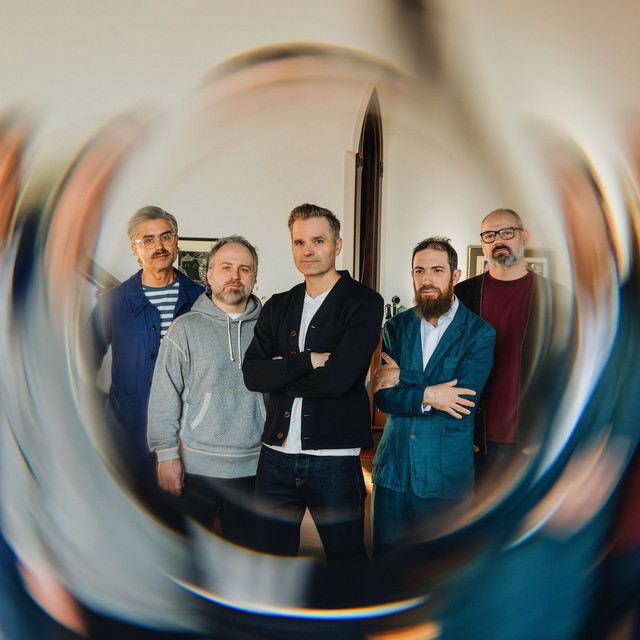
As one of the defining indie-rock bands of the 21st century, Death Cab for Cutie have spent the last 30 years defying every possible expectation. Formed in 1997 in Bellingham, Washington, Death Cab for Cutie were initially the quintessential underdog college-radio act, anchored by co-founder, frontman, and lead songwriter Ben Gibbard’s achingly earnest, erudite (yet still accessible) lyricism that drew inspiration from ‘80s alternative tastemakers The Smiths, The Cure, second-wave emo progenitors Sunny Day Real Estate, lo-fi acoustic hero Elliott Smith, Northwest contemporaries Modest Mouse, and introspective rock heads Built To Spill. Still, given the overwhelming cultural significance of the 2000s indie-rock scene, Gibbard (and his legions of young fans) had no reason to expect that DCfC, despite their instant-classic, magnetic, pop-curious melodies, would transcend this particular moment in time, one marked by a groundswell of mainstream interest in the once-tiny indie-rock subculture. Nearly three decades after Gibbard recorded his bare-bones debut cassette, You Can Play These Songs With Chords, and completed the DCfC lineup comprising original guitarist and producer Chris Walla (later replaced by Dave Depper on guitar and Zac Rae on keyboards), bassist Nick Harmer, and drummer Jason McGerr, DCfC have grown from underground indie contenders to pillars of the modern alternative-rock landscape.
First discovered Nov 17, 2024, 11:15 PM