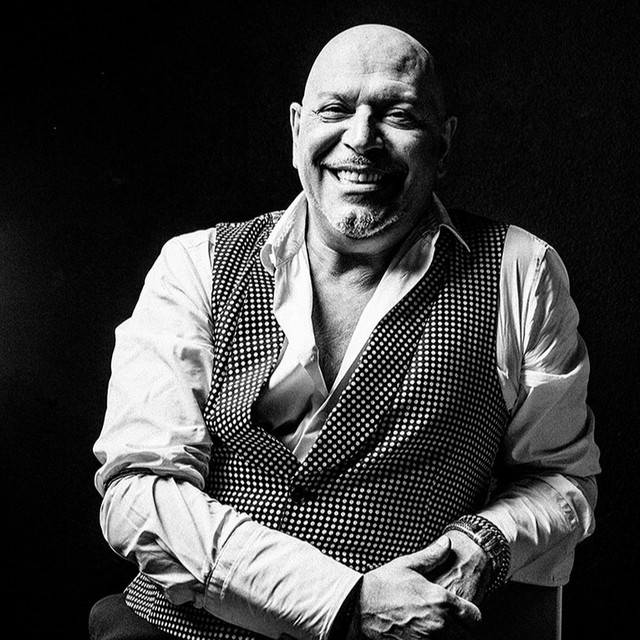
Paulo Gonzo
Charts
Tracks
Playlists
Press Mentions
Google Rankings
Overview
Not included in any known risky playlists
Monthly Listeners
Discography
Genres
Spotify has not assigned genres to this artist yet
Top Audiences
Top Listener Locations
 Lisbon, PT40,151Porto, PT18,556Coimbra, PT8,269Leiria, PT3,833Almada, PT3,177
Playlist Summary
Playlist Movement
Event | Playlist | Botted? | Position | Track | Happened at | |
|---|---|---|---|---|---|---|
Biography & Metadata
With a career which spawns over three decades, Paulo Gonzo has been one of the leading lights in the Portuguese popular music scene. And for someone who has relied his career mostly on the strength of adult contemporary-friendly ballads, it's somehow puzzling to know how he made his start as the lead singer of the Go Graal Blues Band, whose style of music was almost perfectly encapsulated on their name, with a few dashes of vintage R&B thrown in for good measure. After releasing four English-sung albums in the span of five years, the band went their separate ways, paving the way for Gonzo's solo career. Released in 1984, the sentimental "So Do I" became a summer smash. Two years later, "Somewhere in the Night" paved the way for his debut solo album, My Desire, which became quite successful on the strength of original material written by Dan Hartman and Daniel Lavoie, among others. A year later, one-off single "Stay" became another ballad smash, with enough sales to secure it a silver certification. In 1988, Gonzo released the maxi-single "My Girl/She Knocks Three Times," which bombed, even on the strength of both songs being covers of all-time classics by the Temptations and Otis Redding, respectively. Another one-off single, 1989's "Can't Be with You," fared no better. Probably on the strength of these failures, Gonzo only resurfaced in 1992, with an album which marked a turning point in his career, by deciding to sing in Portuguese for the very first time. The resulting Pedras da Calçada didn't quite set the charts on fire at the time, but included what was to become his signature song, "Jardins Proibidos." After 1993's My Best (a compilation of his greatest English recordings), Gonzo released Fora d'Horas, which gained gold status through the airplay success of "Acordar" and "Tiro à Queima Roupa." Still, nothing prepared anyone for what was to happen. In 1997, Gonzo released another best-of compilation, Quase Tudo. Including two new songs, both power ballads which received saturation airplay -- "Dei-te Quse Tudo" and a revamped "Jardins Proibidos," turned into a duet with Olavo Bilac -- Quase Tudo stayed for over a year on the album chart, reaching the top spot for almost three months straight and managing six platinum plaques along the way, becoming the best-selling album of 1997. With all these triumphs, the release of 1998's Suspeito became eagerly awaited. And even though it reached platinum, this was somewhat considered a disappointment after Quase Tudo's runaway success. A year later, live acoustic album Ao Vivo Unplugged was released with modest fanfare. In 2001, Mau Feitio quietly reached gold. A year later, Gonzo released two soccer-related projects. One was the official song of the Portuguese national soccer team for that year's World Cup, "Mundial"; the other was SLB, an album endorsed by and named after the initials of Sport Lisboa e Benfica, the team of which he is also a supporter. Taking a three-year sabbatical, Gonzo returned in 2005 with his self-titled, sixth original album, which managed to go platinum in two years on the strength of the success of another ballad, "Sei-te de Cor." In 2007, Gonzo released his second live album, Ao Vivo No Coliseu. ~ Ricardo Raínho, Rovi
First discovered Aug 24, 2026, 9:15 PM