King Curtis
Charts
Tracks
Playlists
Press Mentions
Google Rankings
Overview
Not included in any known risky playlists
Monthly Listeners
Series
- Monthly Listeners
- Listeners from Playlists
- Change
Discography
Genres
Spotify has not assigned genres to this artist yet
Top Audiences
Top Listener Locations
 London, GB6,660
 Melbourne, AU3,563Sydney, AU3,205
 New York City, US2,825
 Amsterdam, NL2,436
Playlist Summary
Playlist Movement
Event | Playlist | Botted? | Position | Track | Happened at | |
|---|---|---|---|---|---|---|
Biography & Metadata
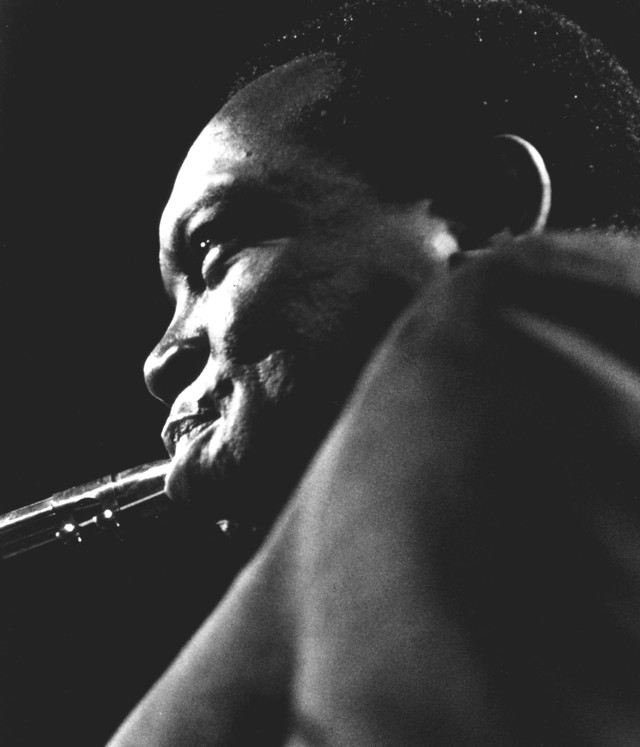
King Curtis was the last of the great R&B tenor sax giants. Born Curtis Ousley in Fort Worth, Texas, he came to prominence in the mid-'50s as a session musician in New York, recording, at one time or another, for most East Coast R&B labels. A long association with Atco/Atlantic began in 1958, especially on recordings by the Coasters. He recorded singles for many small labels in the '50s -- his own Atco sessions (1958-1959), and Prestige/New Jazz and Prestige/Tru-Sound for jazz and R&B albums (1960-1961). Curtis also had a number one R&B single with "Soul Twist" on Enjoy (1962). He was signed by Capitol (1963-1964), where he cut mostly singles, including the number 20 R&B hit "Soul Serenade." He returned to Atco/Atlantic in 1965, where he remained for the rest of his life. He had solid R&B single success with "Memphis Soul Stew" and "Ode to Billie Joe" (1967). Beginning in 1967, Curtis started to take a more active studio role at Atlantic, leading and contracting sessions for other artists, producing with Jerry Wexler, and later on his own. He also became the leader of Aretha Franklin's backing unit, the Kingpins. He compiled several albums of singles during this period. All aspects of his career were in full swing at the time he was murdered in 1971. He was inducted into the Rock & Roll Hall of Fame in 2000. ~ Bob Porter, Rovi
First discovered Jan 23, 2026, 4:09 PM