Tiddas
Charts
Tracks
Playlists
SEO
Press Mentions
Overview
Not included in any known risky playlists
Monthly Listeners
Discography
Genres
Spotify has not assigned genres to this artist yet
Top Audiences
Top Listener Locations
 Melbourne, AU1,618Sydney, AU1,585Brisbane, AU986Perth, AU474Adelaide, AU407
Playlist Summary
Playlist Movement
No activity found
This artist's playlist additions and removals will appear here.
Biography & Metadata
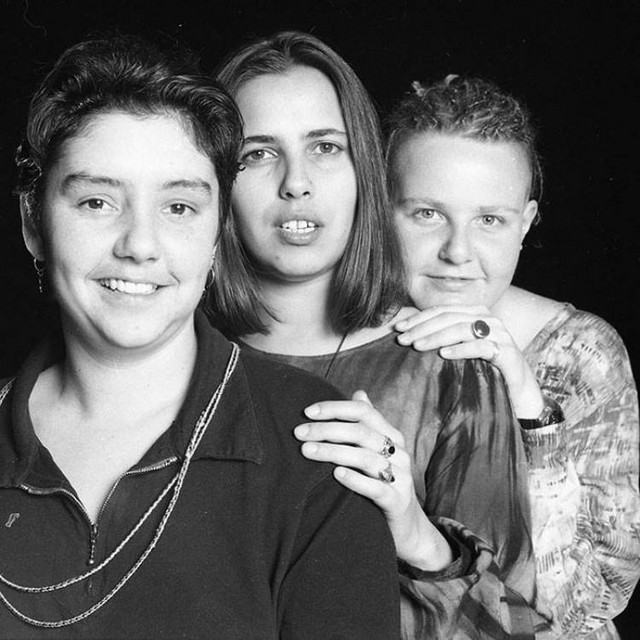
A delicate blend of acoustic guitars and rock sounds provided the backbone behind Lou Bennett, Sally Dastey, and Amy Saunders' folk-pop vocal harmonies. Forming in 1991 after working as backup singers for Saunders' brother Richard Franklin's band Djaambi, their name came from the Aboriginal word tiddas (meaning "sisters"), suggested by Koori singer Ruby Hunter. Released in October 1992, the group's debut EP Inside My Kitchen brought two nominations at the 1992 Australian Record Industry Association (ARIA) Awards for Best New Talent and Best Indigenous Talent. The group supported Sweet Honey and Midnight Oil on tour before adding didgeridoo player Tim "Froggie" Holtze for their Sing About Life album, an acoustic-folk mix, released in late 1993. The record achieved gold status in Australia (35,000 copies sold) and won Best Indigenous Record at the 1993 ARIA Awards. National and international tours followed, including several WOMAD concerts. Sing About Life was released in the U.S. in September 1995, spurring tours of North America and Europe. The Black Sorrows' Joe Camilleri produced the group's second album, Tiddas, released in Australia in August 1996. A more rounded album than Sing About Life, it reached the Australian Top 40. The first single, "Ignorance Is Bliss," was reputedly inspired by an argument with Sir Bob Geldof while touring in 1993. Backing musicians on the album included the Black Sorrows' Jen Anderson on violin, Joe Camilleri on sax (on "Waving Goodbye"), Peter Luscombe on drums, Steven Hadley on bass, and Weddings, Parties, Anything's Mark "Squeezebox Wally" Wallace on piano accordion. A new single, "Walk Alone," was released in 1997. ~ Brendan Swift, Rovi
First discovered Aug 13, 2026, 3:16 AM