Gonzalez
Charts
Tracks
Playlists
Press Mentions
Google Rankings
Overview
Not included in any known risky playlists
Monthly Listeners
Series
- Monthly Listeners
- Listeners from Playlists
- Change
Discography
Top Audiences
Top Listener Locations
 Mexico City, MX1,209
 London, GB886
 Santiago, CL547
 Melbourne, AU464Manchester, GB432
Playlist Summary
Playlist Movement
Event | Playlist | Botted? | Position | Track | Happened at | |
|---|---|---|---|---|---|---|
Biography & Metadata
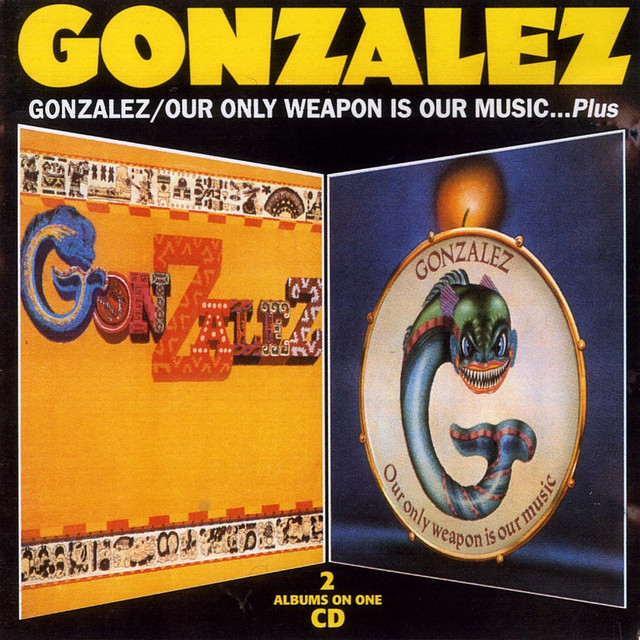
Gonzalez was a loosely knit, British-based aggregate with a revolving-door membership of anywhere from 10 to 30 players. Their specialty was a mostly instrumental mélange of funk, jazz, soul, and (later) disco, though they did employ vocalists for selected tracks on most of their albums. Their core early membership consisted of saxophonists Mick Eve, Chris Mercer, and Geoffrey "Bud" Beadle, keyboardist Roy Davies, and guitarist Gordon Hunte; collectively, their previous credits included Georgie Fame's Blue Flames, Juicy Lucy, John Mayall, Keef Hartley, and the Night-Timers, among others. First convening in 1970, Gonzalez grew to include bassist DeLisle Harper, trumpeter Ron Carthy, saxophonist Steve Gregory, drummers Richard Bailey and Glen LeFleur, and vocalist George Chandler (among others) by the time they released their self-titled debut album on EMI-Capitol in 1974. Cuts like "Funky Frith Street" and the Latin-tinged "Saoco" later became popular among connoisseurs of obscure funk. The follow-up, Our Only Weapon Is Our Music, appeared in 1975 and featured new members in guitarist/vocalist Lenny Zakatek, trombonist Colin Jacas, guitarist Robert Ahwai, bassist Larry Steele, percussionist Bobby Stignac, and singer Viola Wills. Material from Gonzalez' first two albums was later reissued on CD, both by See for Miles and Soul Brother. The band's third album, Shipwrecked, appeared in 1977, and was produced by soul singer Gloria Jones. Two years after the fact, the band's version of Jones' "Haven't Stopped Dancing Yet" became a hit in the U.K., leading to the album's reissue under the title Haven't Stopped Dancin'. Jones also produced their follow-up, 1979's Move It to the Music, by which time Eve and Hunte were gone; the single "Ain't No Way to Treat a Lady" was an unsuccessful attempt to duplicate the wide appeal of "Haven't Stopped Dancing Yet." After one more album, 1980's Watch Your Step, Gonzalez found themselves without a major-label deal; during the '80s, they recorded singles for PRT and Tooti Fruiti, with many more shifts in personnel. They finally disbanded for good in 1986 following the death of Davies. ~ Steve Huey, Rovi
First discovered Sep 22, 2026, 4:54 AM