Dismember
Charts
Tracks
Playlists
Press Mentions
Google Rankings
Overview
Not included in any known risky playlists
Monthly Listeners
Series
- Monthly Listeners
- Listeners from Playlists
- Change
Discography
Top Audiences
Top Listener Locations
 Santiago, CL2,576
 Bogotá, CO1,571
 Mexico City, MX1,314
 São Paulo, BR1,297
 Stockholm, SE1,193
Playlist Summary
Playlist Movement
Biography & Metadata
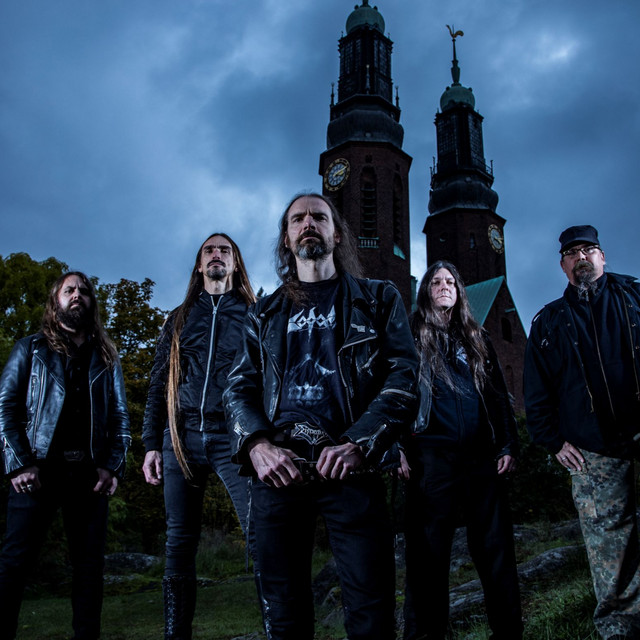
Longtime proponents of the grinding, powerful sound of no-frills Swedish death metal, Dismember was originally formed in Stockholm in 1988 as a power trio featuring vocalist/bassist Robert Sennebäck, guitarist David Blomqvist, and drummer Fred Estby. The group recorded a couple of demo tapes, but went on hiatus in late 1989 when Estby left to join Carnage; Blomqvist played with Entombed as a bassist, then joined Carnage as a second guitarist during the recording of their 1991 debut. However, Carnage imploded when guitarist Michael Amott departed to join Carcass, so Blomqvist, Estby, and Carnage vocalist Matti Karki reconvened Dismember and recorded a demo early in 1991. Sennebäck returned a short time later, and new bassist Richard Cabeza (formerly of Carbonized) was also added to the lineup. Dismember signed with Nuclear Blast and issued their debut album, Like an Ever Flowing Stream, in May 1991. The band toured heavily behind the record, also releasing a five-track EP titled Pieces in 1992; that same year, Dismember successfully defended themselves from an obscenity charge in the U.K. stemming from the song "Skin Her Alive." The experience informed the graphic Indecent and Obscene, which was released in 1993 and displayed a partial move toward melodicism, although Dismember's sound still echoed the unearthly heaviness of early Entombed. 1995's Massive Killing Capacity continued to refine the group's style, and helped make the band more visible in the death metal underground. 1997's Death Metal made clear that Dismember's basic Swedish death sound wasn't going to be altered all that much. Cabeza left the band before the recording of 2000's Hate Campaign, which featured Mercyful Fate bassist Sharlee D'Angelo. ~ Steve Huey, Rovi
First discovered Mar 7, 2026, 10:13 PM