Buddy DeSylva
Charts
Tracks
Playlists
Press Mentions
Google Rankings
Overview
Not included in any known risky playlists
Monthly Listeners
3,750 – 3,792
Discography
Genres
Spotify has not assigned genres to this artist yet
Top Audiences
Top Listener Locations
 London, GB61
 Melbourne, AU60
 Stockholm, SE45
 Mexico City, MX41Sydney, AU41
Playlist Summary
Playlist Movement
Event | Playlist | Botted? | Position | Track | Happened at | |
|---|---|---|---|---|---|---|
Biography & Metadata
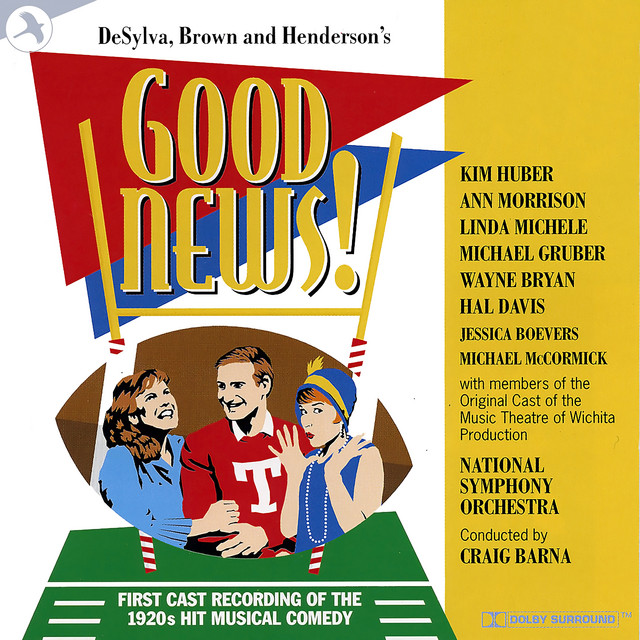
Lyricist and composer Buddy DeSylva is best known for his years in the Henderson-DeSylva-Brown team, who were without equal as songwriters of the Roaring '20s. He was born in N.Y.C. on January 27, 1895, but raised in California, where he grew up and briefly attended USC. DeSylva, also known as B.G. Desylva and George Gard Desylva, became interested in show business, began songwriting and eventually was brought to N.Y. by Al Jolson. DeSylva's first successful songs were those used by Jolson on Broadway in the 1918 Sinbad production, which included "I'll Say She Does." DeSylva wrote for over ten musicals between 1919 and 1925, including La, La, Lucille (1919), several of George White's Scandals of the early '20s, and Captain Jinks (1925). His early hits from these shows include "April Showers," "Somebody Loves Me," and "California, Here I Come." In 1925, DeSylva joined up with the duo of composer Ray Henderson and lyricist Lew Brown and the trio successfully established themselves with their second Broadway score, George White's Scandals of 1926. Henderson-DeSylva-Brown then scored the 1927 stage productions Good News, and Manhattan Mary, followed the next year by Hold Everything, more George White's Scandals in the late '20s, and Flying High in 1930. Off the stage, the songwriting trio had several hit songs, in addition to their movie credits for songs in early Al Jolson films (Sonny Boy and It All Depends On You) and the popular 1929 film Sunny Side Up, which they went to Hollywood to score. DeSylva left in 1931, to pursue a career as a movie producer, but also continued to write music for film and stage productions, such as Broadway's Take a Chance (1932). The mid-'30s found DeSylva producing Shirley Temple films like The Littlest Rebel and Poor Little Rich Girl, followed by his work as producer for a few Broadway productions. DeSylva later held positions as head of Paramount Pictures, as a music publisher, and finally as a record executive for Capitol Records. He collaborated with many other songwriters through the years including Jolson, Gus Kahn, George and Ira Gershwin, Jerome Kern, and Nacio Herb Brown. ~ Joslyn Layne, Rovi
First discovered Sep 26, 2026, 8:40 PM