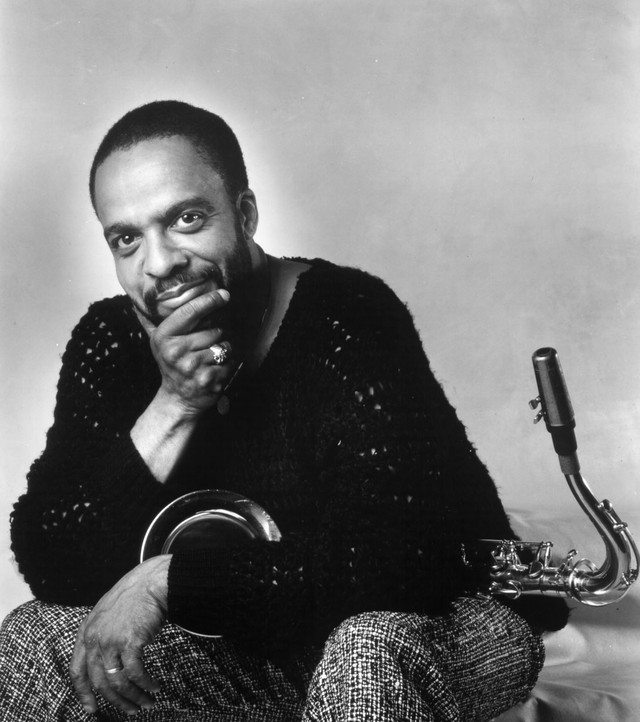
Grover Washington, Jr.
Charts
Tracks
Playlists
Press Mentions
Google Rankings
Overview
Included in high risk playlists
Monthly Listeners
Series
- Monthly Listeners
- Listeners from Playlists
- Change
Discography
Top Audiences
Top Listener Locations
 São Paulo, BR96,419
 Mexico City, MX93,243
 London, GB79,337
 Santiago, CL77,227
 Sydney, AU71,590
Playlist Summary
Playlist Movement
Event | Playlist | Botted? | Position | Track | Happened at | |
|---|---|---|---|---|---|---|
Biography & Metadata
One of the most popular saxophonists of the 20th century, Grover Washington, Jr. was long the pacesetter in his field. His roots were in R&B and soul-jazz organ combos, but he also fared very well on the infrequent occasions when he played straight-ahead jazz. A highly influential player, Washington was known for his spontaneity and risk-taking. Grover Washington, Jr.'s, father also played saxophone and was his first influence. The younger son started playing music when he was ten, and within two years he was working in clubs. He picked up experience touring with the Four Clefs from 1959 to 1963 and freelancing during the next two years, before spending a couple years in the Army. He moved to Philadelphia in 1967, becoming closely identified with the city from then on. There, he worked with several organists, including Charles Earland and Johnny Hammond Smith, recording as a sideman for the Prestige label. His biggest break occurred in 1971, when Hank Crawford could not make it to a recording date for Creed Tasylor's Kudu label; Washington was picked as his replacement, and the result was Inner City Blues, a big seller. From then on he became a major name, particularly after recording 1975's Mister Magic and Feels So Good, and later 1980's Winelight. The latter album included the Bill Withers hit "Just the Two of Us."
First discovered Aug 27, 2024, 11:47 AM